
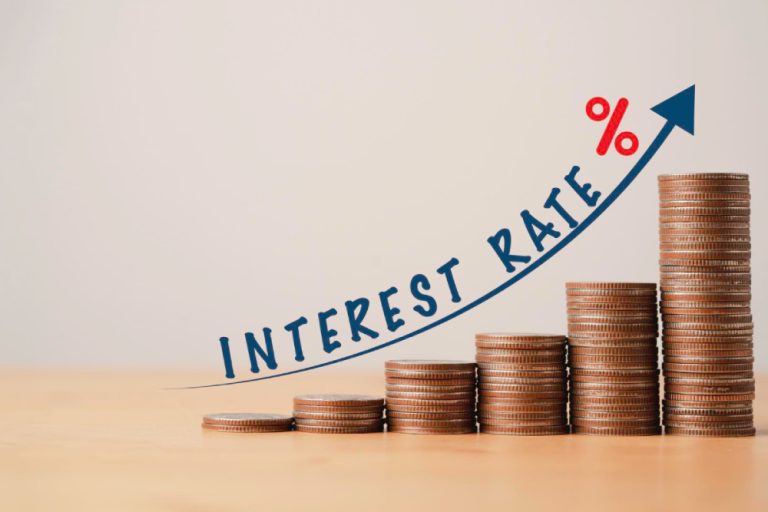
Low doc loans offer flexibility for borrowers who cannot provide traditional income documentation, but that flexibility often comes at a price. Why do low doc loan rates tend to be higher than full doc mortgage rates? Understanding how lenders calculate interest rates can help you evaluate options more clearly.
Pricing is not random. It reflects risk assessment, documentation level, borrower profile, and broader market conditions.
Why Low Doc Loan Rates Are Usually Higher
The main driver of interest rate differences is risk perception. In a full doc loan, lenders receive two years of tax returns, pay stubs, and employment verification. Income stability is clearly documented.
In a low doc loan, income is verified through alternative methods such as bank statements or accountant declarations. While these methods still demonstrate cash flow, they do not provide the same historical depth as full tax documentation.
From a lender’s perspective, reduced documentation increases uncertainty. To offset that uncertainty, lenders price in a rate premium. This does not mean low doc borrowers are risky; it means the structure involves additional variables.
How Lenders Calculate Low Doc Interest Rates
Low doc loan rates and no doc loan rates are influenced by several key factors. Lenders evaluate both borrower characteristics and property details.
The most common pricing factors include:
- Deposit size or loan-to-value ratio
- Credit score and repayment history
- Length of business operation
- Property type and usage
Each factor contributes to the final rate offer.
For example, a borrower with a 30 percent deposit and strong credit may receive a lower rate than someone with a 15 percent deposit and recent credit issues.
The Role of Loan-to-Value Ratio
Loan-to-value ratio, often abbreviated as LVR, plays a major role in rate determination.
A lower LVR means the borrower has contributed more equity to the transaction. This reduces lender exposure in the event of default or property value decline.
Higher equity positions typically qualify for better pricing. Borrowers with 20 to 30 percent down often receive more competitive low doc rates than those seeking maximum leverage.
In short, the more skin in the game, the more favorable the rate potential.
Credit Score Impact on Pricing
Even though low doc loans rely less on tax returns, credit profile remains central to underwriting.
Lenders review:
- Overall credit score
- Past payment behavior
- Outstanding debts
- Recent credit inquiries
A clean repayment history demonstrates financial responsibility. Strong credit often helps reduce the rate premium associated with limited documentation.
On the other hand, missed payments or high revolving balances may lead to higher pricing or stricter loan terms.
Fixed vs Variable Low Doc Rates
Low doc loans may be offered with either fixed-rate or variable-rate structures.
- Fixed-rate loans lock in an interest rate for a defined period, often one to five years. This provides payment predictability but may include break costs if repaid early.
- Variable-rate loans fluctuate based on market conditions and lender benchmarks. These may start lower but can rise over time.
Choosing between fixed and variable structures depends on risk tolerance, financial stability, and long-term strategy. Some borrowers prefer stability, while others accept variability in exchange for potential flexibility.
Market Conditions and Broader Economic Factors
Low doc loan rates do not exist in isolation. They respond to broader economic trends.
Central bank policies, inflation levels, and bond market movements influence lender funding costs. When overall mortgage rates rise, low doc rates rise as well.
The rate gap between full doc and low doc products may widen or narrow depending on lender appetite for risk and capital availability. Monitoring market trends can help borrowers time applications strategically.
Risk-Based Pricing in Low Doc Lending
Low doc loans follow risk-based pricing models. This means lenders assign rate tiers based on borrower and property risk factors.
For example, a borrower with:
- Strong credit
- Long business history
- Low LVR
- Stable property income
may qualify for a lower tier rate.
A borrower with higher leverage and shorter business history may fall into a higher tier. The difference between tiers can be meaningful over a 25 or 30 year loan term.
Understanding how you fit into these tiers can help you improve your profile before applying.
How Self-Employed Income Affects Rates
For self-employed borrowers, business stability influences pricing.
Lenders often prefer businesses operating for at least two years. Consistent revenue patterns reflected in bank statements can strengthen the application.
Significant income fluctuations or seasonal volatility may lead to higher pricing because they introduce repayment variability. Clear documentation, even within low doc guidelines, supports stronger underwriting outcomes.
Can You Refinance to Lower the Rate?
Many borrowers use low doc loans as temporary solutions. Once they establish stronger financial records, they may refinance into a full doc loan.
If future tax returns reflect stable and sufficient income, refinancing could reduce interest rates and overall repayment cost.
Before choosing a low doc loan, review:
- Prepayment penalties
- Fixed-rate break fees
- Refinance eligibility timeline
Planning ahead helps avoid unexpected expenses during refinancing.
Long-Term Cost Considerations
Interest rate differences compound over time. A slightly higher rate may not seem significant month to month, but over a long amortization period, the total interest paid increases substantially.
Borrowers should calculate:
- Monthly repayment difference
- Total interest over loan term
- Break-even timeline for refinancing
Understanding these numbers allows you to evaluate the true cost of flexibility.
For some, access to immediate financing outweighs the rate difference. For others, waiting to qualify for a full doc loan may be financially preferable.
Flexible Commercial and Investment Property Funding Solutions
If you are comparing low doc loan options and want guidance tailored to your investment goals, Woodland Funding is here to support you. We are a nationwide direct and correspondent lender specializing in long-term and short-term commercial and investment property loans up to $50 million and fast closings.
Our team works with multifamily, single-family rental, mixed-use, retail, and development projects, structuring financing around property performance and borrower strategy. We understand complex income scenarios and investor timelines. Connect with Woodland Funding to review your deal, explore competitive loan structures, and move forward with confidence on your next property acquisition.
