
Retail Shopping Center Acquisition Dayton, Ohio
Case Study
01. The Situation
A seasoned real estate sponsor identified an opportunity to acquire a retail shopping center in Dayton, Ohio from a Canadian Real Estate Investment Trust (REIT) that was in the process of liquidating its fund. With the REIT motivated to close quickly, timing was everything.
The asset itself was fundamentally strong-generating solid cash flow and, as it would later be confirmed, appraising well above the purchase price.
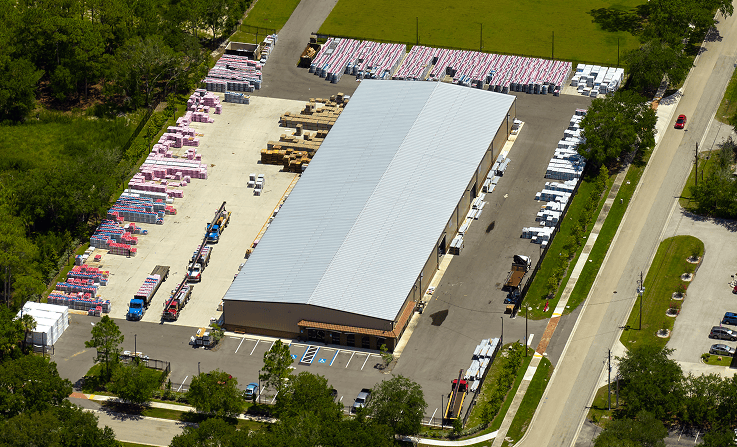
02. Property & Market Overview
The Asset
The subject property is a multi-tenant retail shopping center located in the Dayton, Ohio metro area. The center was occupied by a mix of service-oriented and necessity-based tenants — the type of businesses that drive consistent foot traffic and demonstrate resilience across economic cycles. At the time of acquisition, the property was generating strong in-place cash flow, with leases in place that supported a clear and predictable income stream.
Notably, the purchase price came in below appraised value — a meaningful distinction that provided the borrower with immediate equity at closing and a built-in margin of safety from day one.
The Market
Dayton is a mid-sized Midwestern metro with a stable, diversified economic base anchored by healthcare, manufacturing, and defense sectors, including the presence of Wright-Patterson Air Force Base — one of the largest Air Force installations in the country. While Dayton may not carry the name recognition of larger gateway markets, it offers exactly what value-add retail investors look for: affordable basis, steady demand from necessity tenants, and limited new retail supply. For an experienced sponsor who knows the market, these fundamentals make a compelling case.
03. The Challenge
Confident in a relationship with a local bank, the sponsor moved forward expecting a smooth financing process. Weeks into underwriting, however, the bank abruptly informed the borrower it could not offer loan terms.
This was a puzzling decision. The property was performing well, tenants were paying, and the numbers supported the deal. The sponsor believes the bank’s reluctance ultimately came down to a bias against the property’s location rather than any weakness in the asset itself. Regardless of the reason, the bank walked away-leaving the borrower without financing and facing a seller with an urgent deadline.
The pressure was real. The REIT needed to close as part of a fund liquidation, and any further delays risked the deal falling apart entirely. Finding a new lender and restarting the underwriting process from scratch seemed like an almost impossible task given the timeline.
04. Underwriting Highlights
When the sponsor brought us the deal, we focused on what the numbers actually showed — not assumptions about the market or the zip code.
Cash Flow & Debt Service Coverage
The property’s in-place rents were generating consistent, verifiable income. The tenants were operational, leases were current, and the cash flow comfortably supported the proposed debt service. From an income perspective, this was a straightforward deal.
Appraised Value vs. Purchase Price
One of the most compelling elements of this transaction was the gap between what the sponsor was paying and what the property was independently determined to be worth. The appraisal came in meaningfully above the purchase price, confirming what the sponsor already knew — this was a below-market acquisition. At 70% LTV calculated against the purchase price, the lender’s basis was even more conservative relative to appraised value, providing strong downside protection.
Sponsor Strength
The borrower was an experienced commercial real estate operator with an established track record in retail assets. Their familiarity with the local market and asset class gave us additional confidence that the property would be well-managed post-closing.
Our Assessment
Where the local bank saw risk, we saw a fundamentally sound asset being acquired at a favorable basis, with strong cash flow, a motivated seller, and a capable sponsor. The deal deserved to get done — it just needed the right lender.
05. Our Solution
The sponsor contacted us, provided a brief overview of the deal, and submitted the necessary underwriting documents. We looked at the fundamentals — the cash flow, the tenants, the basis- and the deal made sense. Within 2 days, we issued a term sheet.
We structured the loan at 70% LTV with a fixed rate of 7%, giving the borrower certainty on both leverage and cost of capital. No surprises, no moving targets. The loan closed in 45 days-keeping the transaction on track and the seller satisfied.
06. The Result
The sponsor successfully acquired a cash-flowing retail shopping center at a price below its appraised value, financed by a lender willing to evaluate the deal on its actual merits. The strong appraisal at closing validated what the numbers had shown all along-this was a sound investment that simply needed a lender with the experience and conviction to see it through.
When a relationship lender says no and the clock is ticking, we deliver — with speed, certainty, and terms that work.
DEAL SNAPSHOT
Asset Type
Retail Shopping Center
LOCATION
Dayton, Ohio
Transaction Type
Acquisition
Loan-to-Value
70%
Interest Rate
7.00% Fixed
Term Sheet Issued
2 Days
Time to Close
45 Days
Woodland Funding · Private Lending Solutions · This case study is provided for informational purposes only and does not constitute an offer to lend. All loans subject to underwriting approval
Other case studies from our desk.

How we closed a complicated warehouse refinance and why it took 60 days instead of 30
Not every deal is straightforward. Here’s a look at a recent closing where creative problem-solving made all the difference — and what it reveals about how experienced lenders approach non-stabilized assets.

COMMERCIAL REAL ESTATE FINANCE
Not every deal is straightforward. Here’s a look at a recent closing where creative problem-solving made all the difference — and what it reveals about how experienced lenders approach non-stabilized assets.